
Most evergreen shrubs should not be heavily pruned in fall. Light removal of dead, damaged, or diseased branches is generally fine anytime, but avoid major shaping, shearing, or cutting into live growth of your evergreen shrubs.
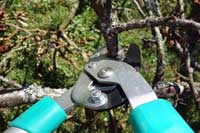 Step-by-Step Guide For Fall Pruning Evergreen Shrubs
- Pruning stimulates tender new growth that often cannot harden off before cold weather arrives. This soft growth is highly susceptible to frost damage, winter burn, dieback, or browning.
- Evergreens do not enter full dormancy the way deciduous shrubs do, so pruning wounds heal more slowly and leave the plant more vulnerable to drying winter winds, cold stress, and sometimes disease or pests.
- Many conifers (and some broadleaf evergreens) develop a shaded “dead zone” of bare interior wood with few or no buds. Cutting into this area leaves permanent bare spots that will not fill in.
- Flowering evergreens may already have set next season’s flower buds, so fall cuts can reduce or eliminate blooms.
 Common evergreen shrubs to avoid pruning (or only lightly pruning) in fall
- Boxwood (Buxus) — Best pruned in mid-to-late spring or lightly in late summer. Fall shearing often pushes soft growth that suffers winter damage.
- Hollies (including Japanese holly, American holly, and many Ilex species) — Wait until late winter or early spring.
- Arborvitae (Thuja) — Prefer late winter to early spring (or light summer touch-ups). Heavy fall cuts commonly lead to winter tip damage.
- Laurels (cherry laurel, skip/Portuguese laurel) — Avoid fall; prune in spring if needed.
- Aucuba (Japanese aucuba) — Prune in late winter/early spring to prevent frost-damaged new growth.
- Camellia — Many varieties set buds in fall; pruning then removes flowers and can encourage vulnerable growth. Wait until after blooming (usually late spring).
- Evergreen azaleas and rhododendrons — These form flower buds in summer/fall; fall pruning removes next year’s show. Prune right after flowering.
- Yews (Taxus) — Generally avoid after midsummer; late-season cuts risk winter injury.
- Many conifers such as juniper, spruce, pine, and hemlock — Limit to very light trimming of green growth only (never into bare wood). Prefer late winter/early spring or just after the spring growth flush.
Practical guidelines for fall pruning of evergreen shrubs
- Safe in fall: Remove only clearly dead, broken, or diseased wood. You can also carefully snip a few wayward branches if needed for safety or clearance, provided you do it early enough for cuts to begin healing before hard freezes.
- Best overall timing for most evergreens: Late winter to early/mid-spring (before or just as new growth begins), or immediately after flowering for spring-blooming types.
- Climate matters: In mild-winter areas, the risks are lower, but the same principles still apply. In colder zones, err strongly on the side of waiting.
When in doubt, leave the evergreen alone until spring. Removing only the “three Ds” (dead, damaged, diseased) keeps the plant healthy without the drawbacks of stimulating late growth.
Learn more about the best shrubs to prune in fall here.

Latest posts by Show me the green (see all)
- Why Fall Pruning is Risky for These Evergreen Shrubs - October 15, 2026
- Don’t Miss These Shrubs: Why Fall Pruning Makes All the Difference - October 14, 2026
- Unboxing From PlantingTree Nursery - February 6, 2022